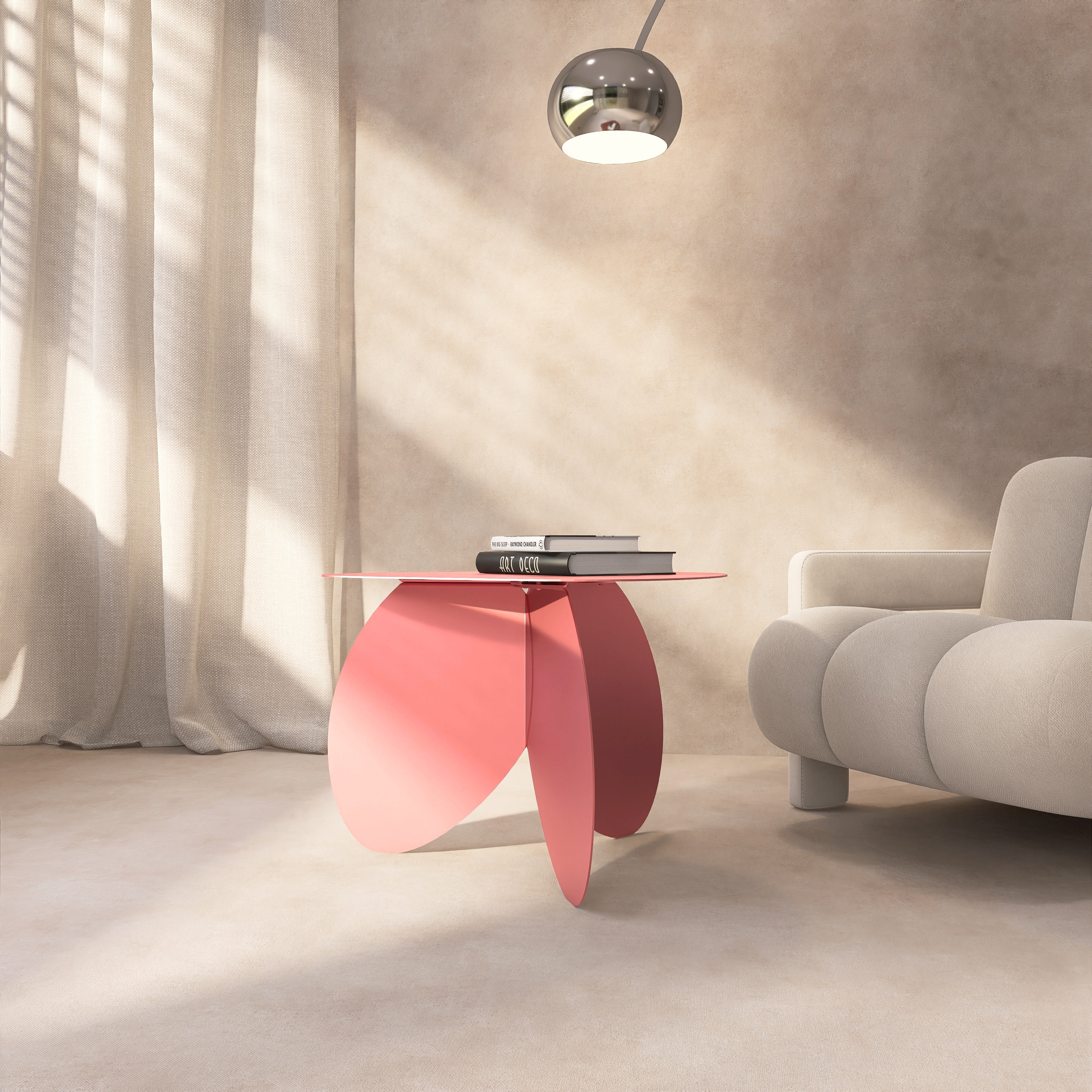
Article: Interior Design Trends 2026: Functional Minimalism
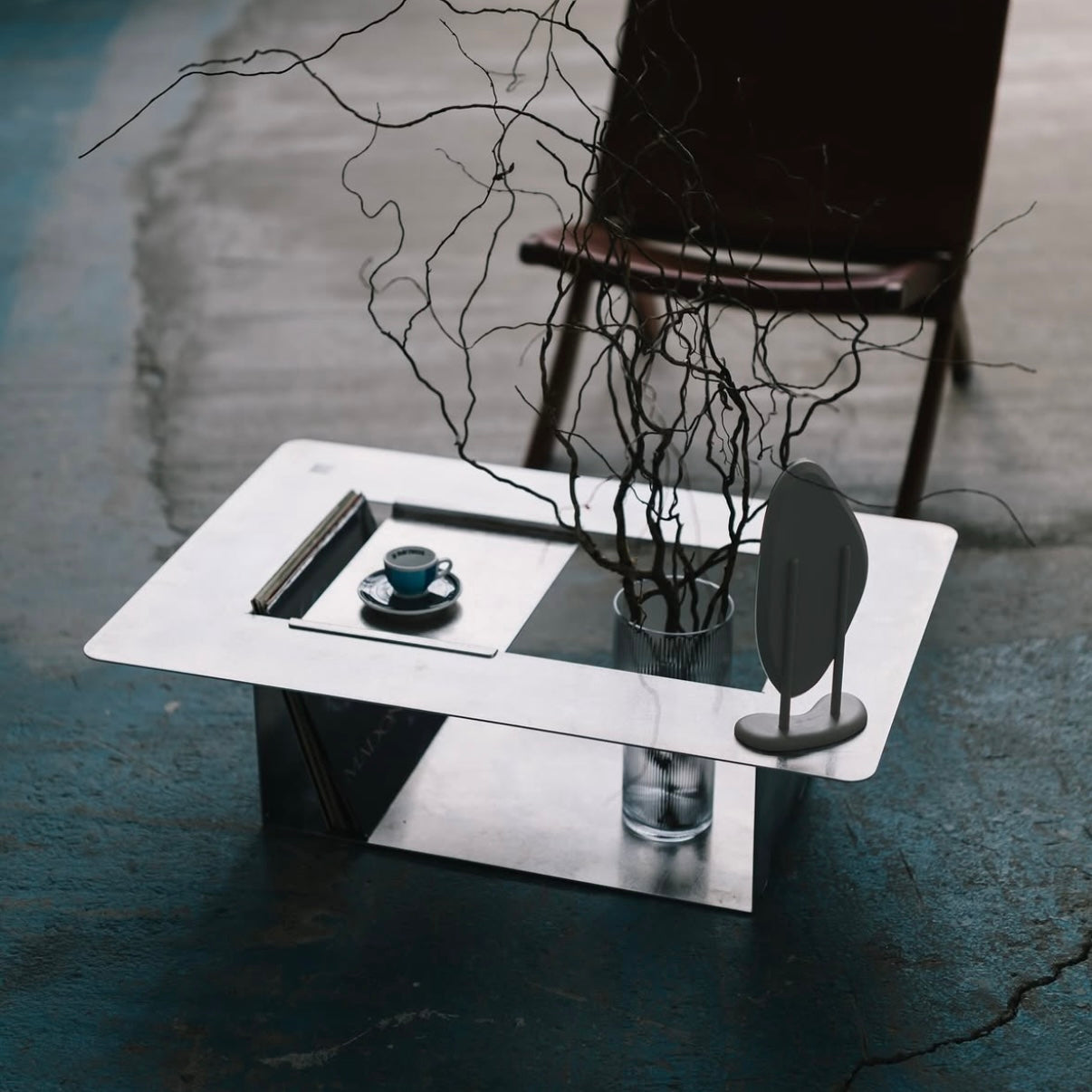
Interior Design Trends 2026: Functional Minimalism
Introduction
The year 2026 marks a clear evolution in interior design: minimalism is no longer just about clean aesthetics, but about smart functionality. Modern consumers seek spaces that combine the beauty of simplicity with practical solutions for everyday life. In this article, we explore the key trends of functional minimalism and how to integrate them into your home.
1. Modular Furniture: Flexibility for Dynamic Spaces
Modular furniture becomes essential in 2026, especially for urban apartments where every square meter counts. Modular metal shelves allow for:
- Quick reconfiguration based on needs
- Adaptation to unconventional spaces
- Progressive expansion without changing the entire system
Why it works: It offers creative freedom without aesthetic compromises.
2. Durable Materials: Metal as a Premium Choice
Sustainability is no longer optional. Durable materials like quality metal replace temporary solutions:
- Longevity: Metal furniture lasts for decades with minimal maintenance
- Recyclability: 100% recyclable at the end of its life cycle
- Resistance: Perfect for wet areas (bathrooms, kitchens)
3. Neutral Color Palette with Strategic Accents
Functional minimalism 2026 is based on:
- Matte black, white, and shades of gray as a base
- Metallic accents (copper, brass, stainless steel)
- Natural textures for warmth (wood, stone, textiles, natural leather)
Designers' trick: Keep the furniture neutral and add personality with easily changeable accessories.
4. Vertical Organization: Maximize Available Space
Wall shelves and vertical systems are the protagonists of 2026:
- Frees up floor space
- Creates the illusion of height in small rooms
- Allows for organized display of favorite objects
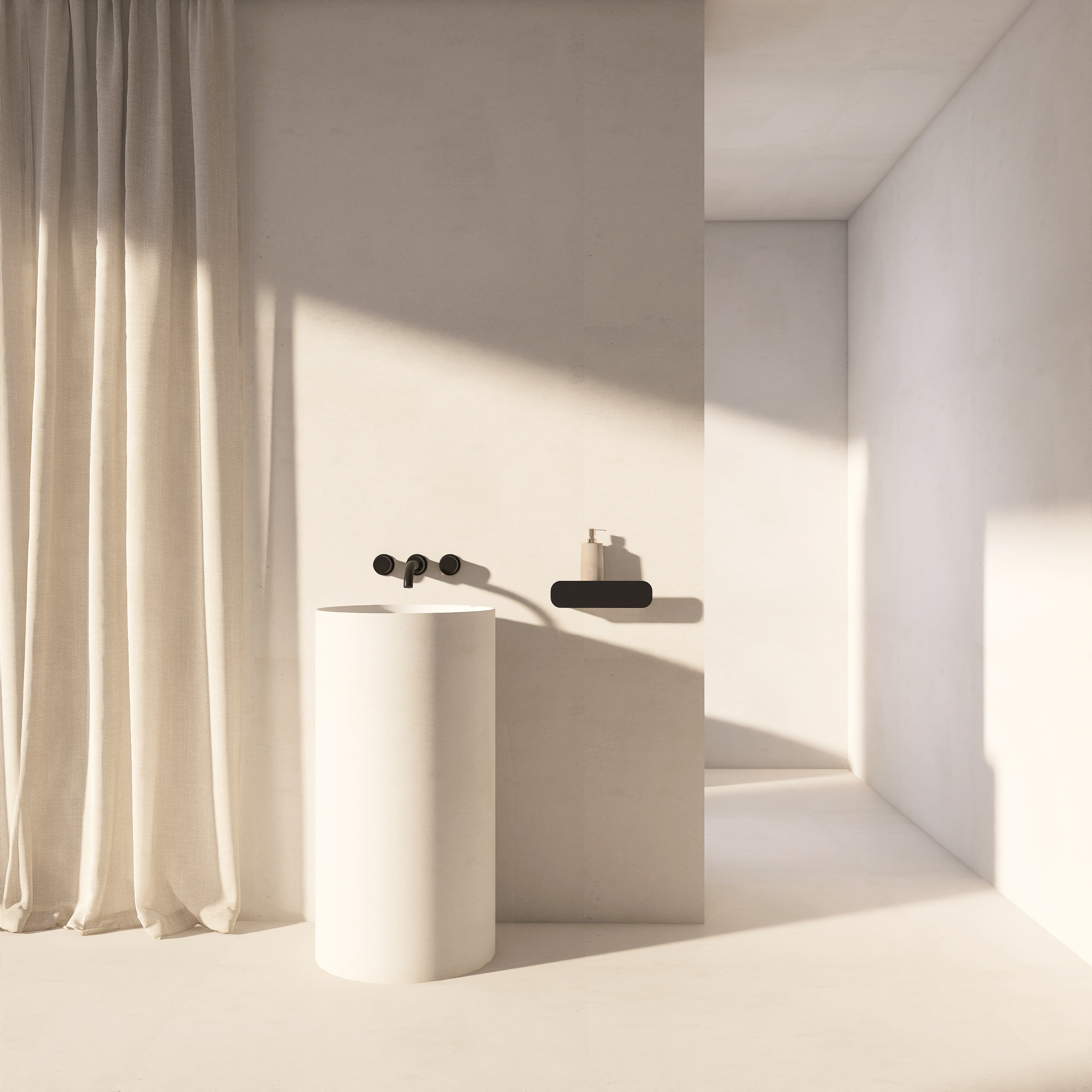
Practical example: In small bathrooms, suspended metal shelves provide storage without visually cluttering the space.
5. Minimalist Home Office: Productivity Through Simplicity
With hybrid work as the norm, the home office becomes a priority:
- Clean design that eliminates visual distractions
- Integrated storage solutions
- Materials resistant to daily wear and tear
Golden rule: Every element must have a clear function.
6. Layered and Natural Lighting
Light becomes a functional design element:
- Maximizing natural light through transparent/airy furniture
- LED lighting integrated into shelves
- Multiple light sources for flexibility
How to Implement Functional Minimalism in Your Home
Step 1: Evaluate actual needs - what functions are missing from your current space?
Step 2: Choose versatile furniture that can evolve with you
Step 3: Invest in quality, not quantity - fewer pieces, but durable ones
Step 4: Maintain order through clear organizational systems
Conclusion
Functional minimalism in 2026 is not about giving up, but about smart choices. It's about creating spaces that support you, not overwhelm you. Modular metal furniture, durable materials, and clean design transform the home into an efficient and aesthetic sanctuary.
Frequently Asked Questions
Q: Is functional minimalism suitable for families with children?
A: Absolutely! Durability and ease of cleaning make metal furniture ideal for active homes.
Q: How much does it cost to transition to a functional minimalist design?
A: The initial investment may be higher, but durability reduces long-term costs.
See our collection of metal furniture for the living room and transform this space into an organized, elegant, and efficient one.
Simplicity is the key to successful design, even in the smallest rooms.